1
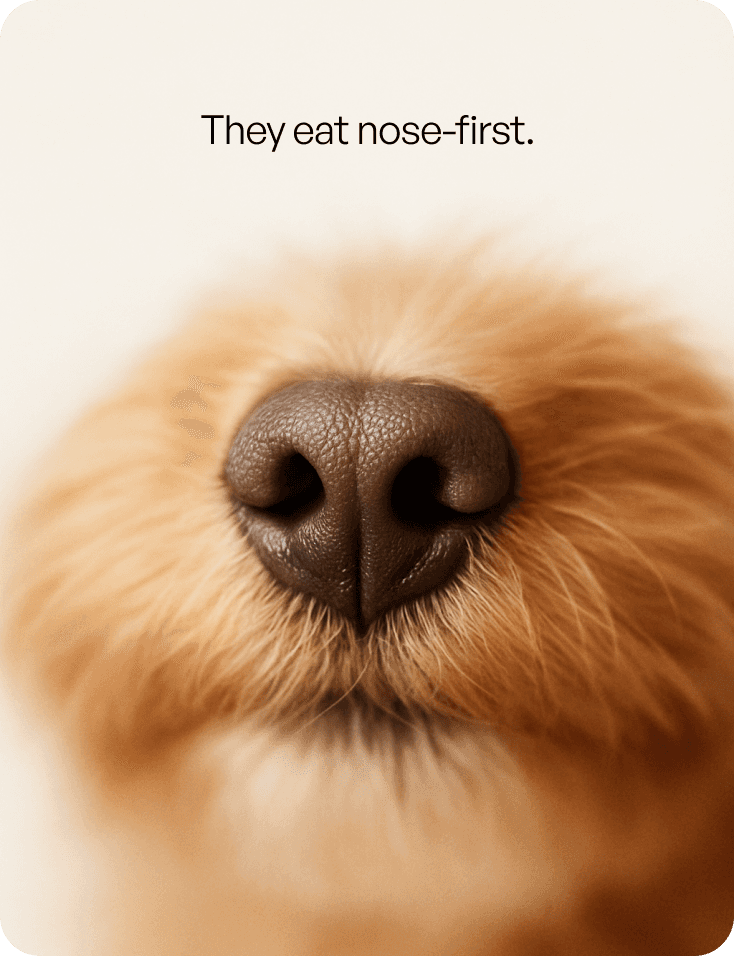
SMELL
Dogs decide nose-first. Before hunger. Before habit. Before training. Sniffing is how they place something in context — whether it belongs, whether it’s safe. Lingering here isn’t hesitation. It’s orientation.
2

BITE
The first bite is rarely decisive. Sometimes it’s small. Sometimes it’s sudden. Sometimes it’s followed by a pause. That pause isn’t refusal. It’s evaluation.
3
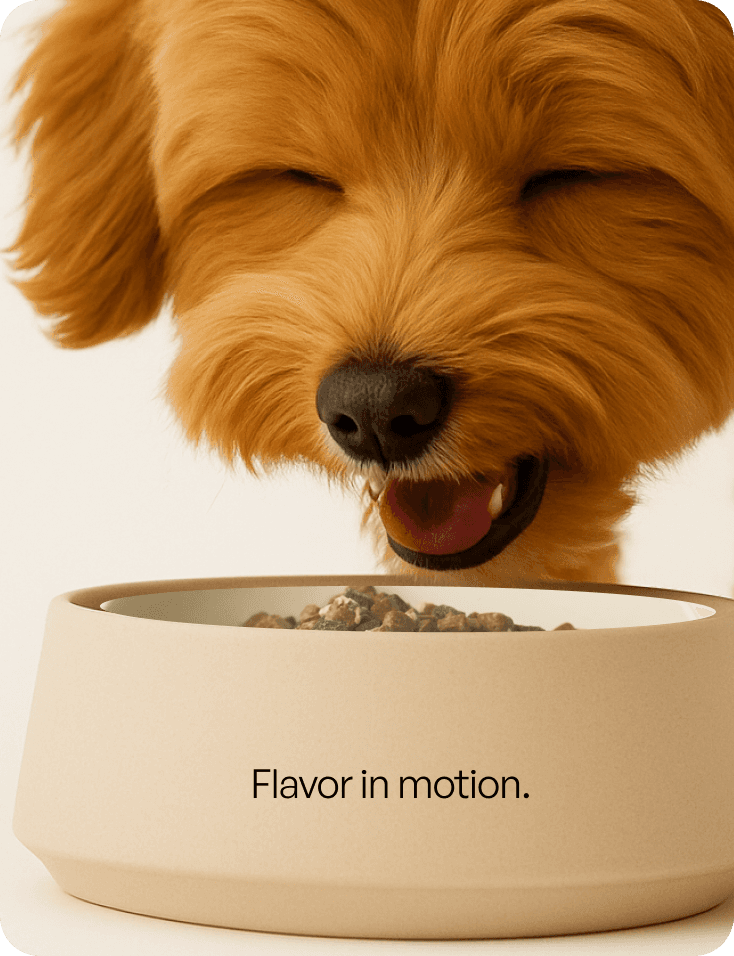
CHEW
Chewing is rhythm. It’s where a dog decides whether to stay with the experience. Slowing down. Stopping. Returning. These aren’t doubts. They’re consideration.
Nothing is wrong.
They’re just deciding.
4
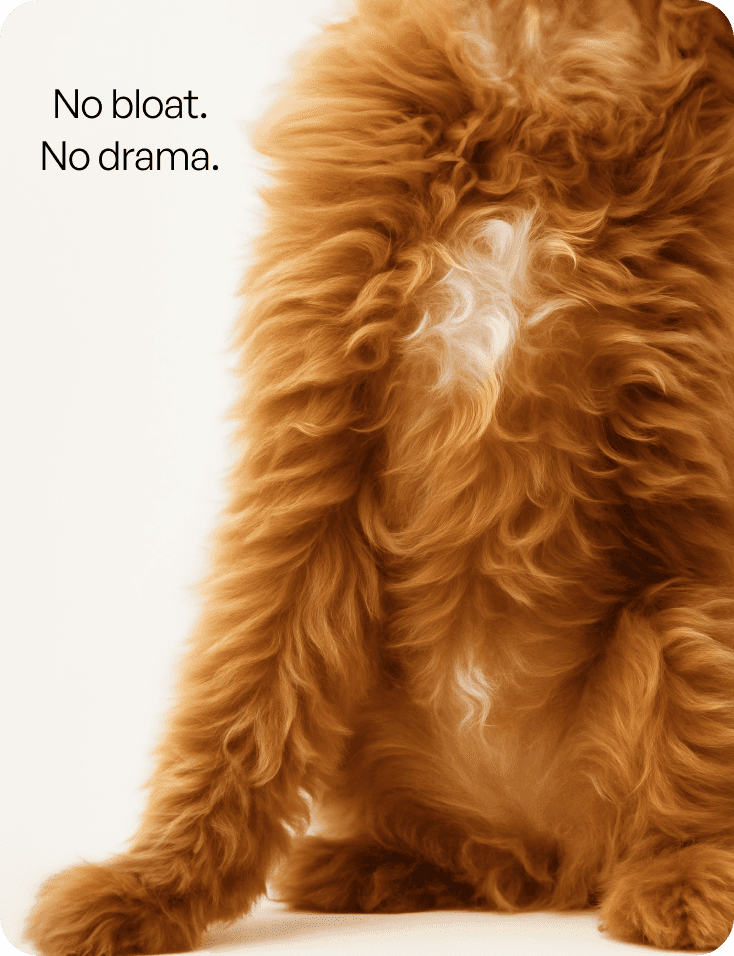
GUT
What happens after matters more than what happens during the meal. Comfort builds confidence quietly. Discomfort leaves an impression. This step rarely announces itself. It shows up later.
5
POOP
For many small-dog parents, this is where clarity lands. Firm. Regular. Easy. The body keeps the score.
6
FULLNESS
Small dogs don’t need to feel full to be done. Calm after eating or drinking often signals fit. Less drama. More alignment.




Big Brand? No.
A Smaller One — On Purpose.
Stay close for bold new moves in small-breed care.