

Small Dogs Adapt.
When the Food Is Designed Well.
Small Dogs Adapt.
When the Food Is Designed Well.
Transition becomes more predictable.
This is the worry.
“What if a new food doesn’t agree with her?”
This is the worry.
“What if a new food doesn’t agree with her?”
This is the worry.
“What if a new food doesn’t agree with her?”
A new food.
A careful transition.
Still loose stools.
Still not sure why.
A new food.
A careful transition.
Still loose stools.
Still not sure why.
A new food.
A careful transition.
Still loose stools.
Still not sure why.
You’ve been there.
You’ve been there.
You’ve been there.
Small dogs don’t process food differently.
You just see the effects sooner.
Small dogs don’t process food differently. You just see the effects sooner.
Smaller bodies mean smaller margins.
The same change has a bigger effect.
That’s why when something’s off,
you notice it sooner.
And when food fits,
those changes become more predictable.
Instead of being able to trust one decision, you’re left assembling care from everywhere.
Smaller bodies mean smaller margins.
The same change has a bigger effect.
That’s why when something’s off,
you notice it sooner.
And when food fits,
those changes become more predictable.
In small dogs, digestive issues aren’t about change or the speed of change.
In small dogs, digestive issues aren’t about change or the speed of change.
It’s pressure.
It’s pressure.
Excess bulk.
Difficult-to-digest fibres.
Ingredients that irritate or over-signal the gut.
It’s the load placed on a tiny system.
Instead of being able to trust one decision, you’re left assembling care from everywhere.
Excess bulk.
Difficult-to-digest fibres.
Ingredients that irritate or over-signal the gut.
It’s the load placed on a tiny system.


Feeding isn't a fixed plan. It's a system.
Feeding isn't a fixed plan.
It's a system.
What goes in → how the body handles it → what you see.
When those stay aligned, things become more predictable.
What goes in → how it's processed → what you see.
When those stay aligned, everything else becomes easier to manage.

Pressure eases when the system is supported — not forced.
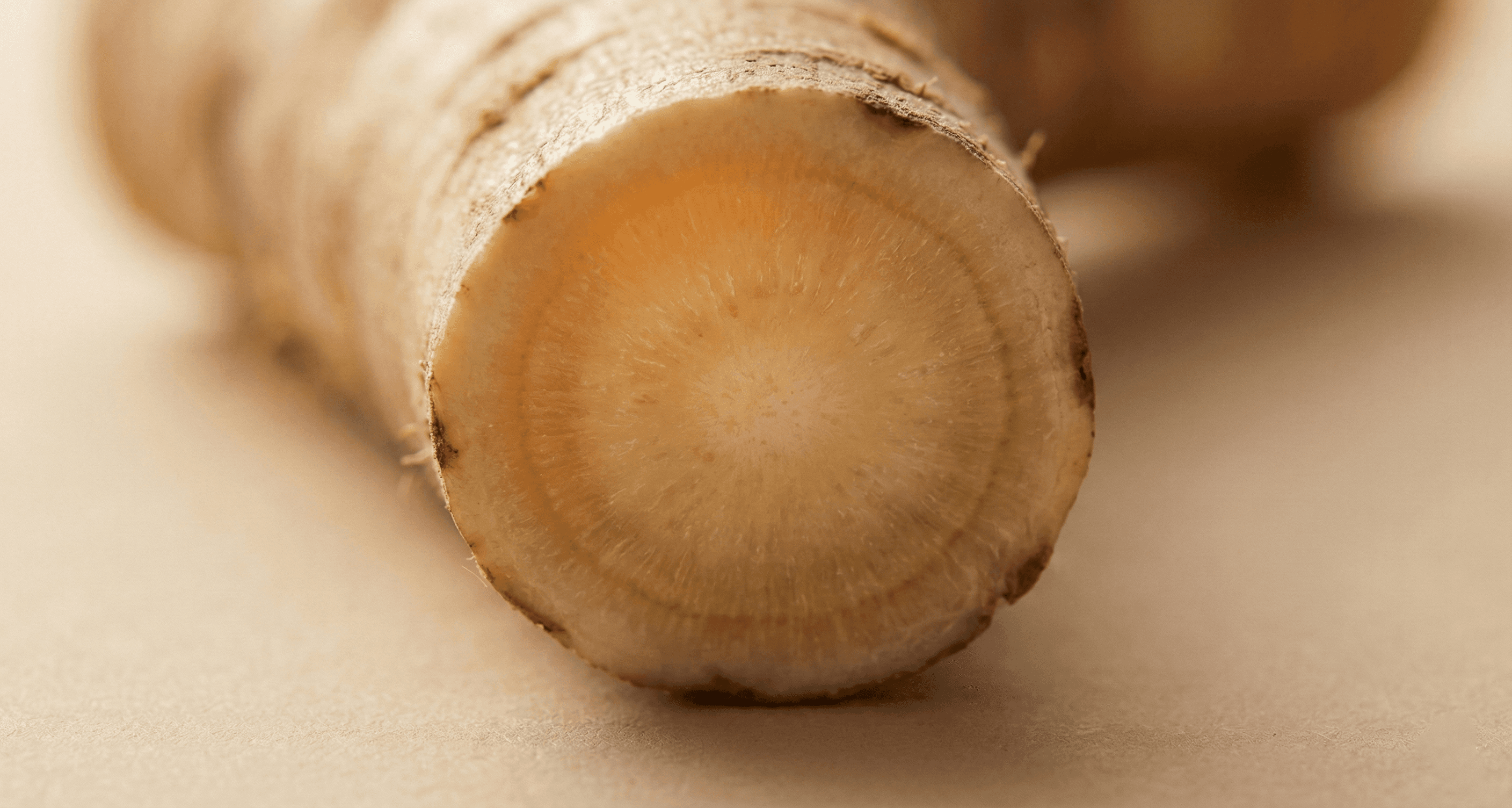
Fibre that feeds — not fills
Chicory inulin — supports balanced fermentation

The gut lining turns over continuously
L-Glutamine — supports normal barrier function
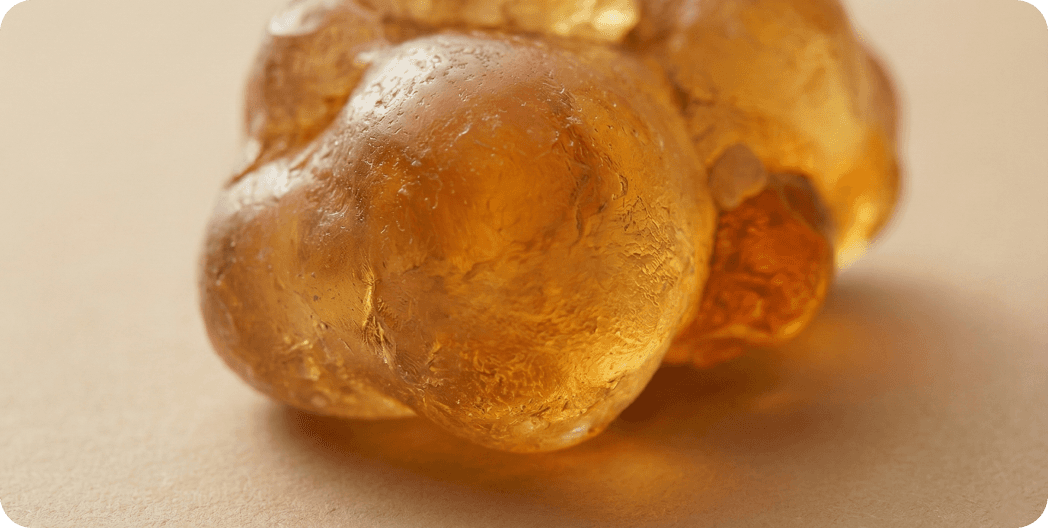
Botanical support, consistently applied
Boswellia — supports a balanced gut environment
Pressure eases when the system is supported — not forced.
Fibre that feeds — not fills
Chicory inulin — supports balanced fermentation
The gut lining turns over continuously
L-Glutamine — supports normal barrier function
Botanical support, consistently applied
Boswellia — supports a balanced gut environment
This is what support feels like.

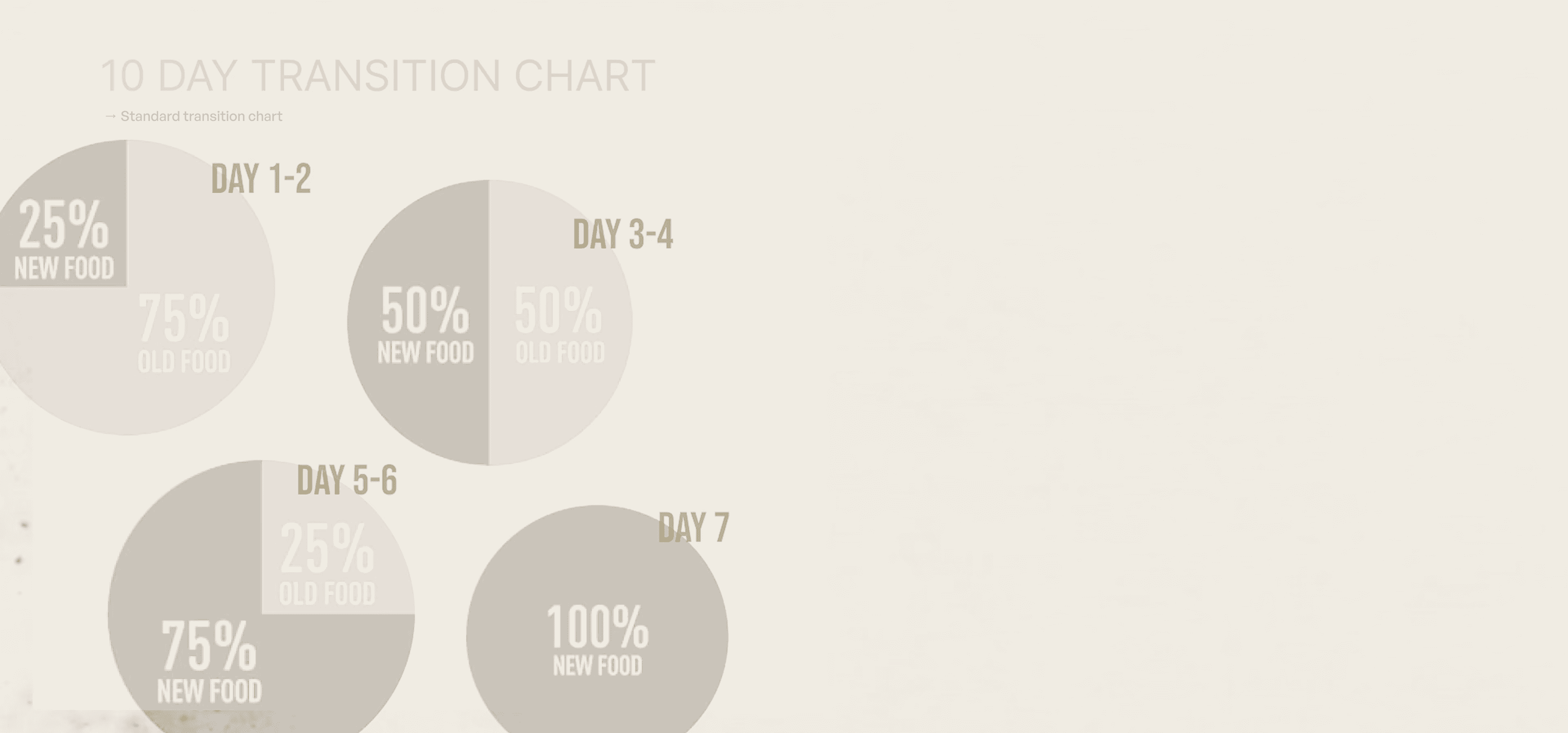
Most transition plans were built to manage the food — not the dog.
They stretch everything out —
partly to help dogs adjust,
but often to compensate for the food itself.
For small dogs, that means:
measuring percentages,
splitting bowls across days,
following a chart instead of the dog.
A process shaped as much by the food as the dog.
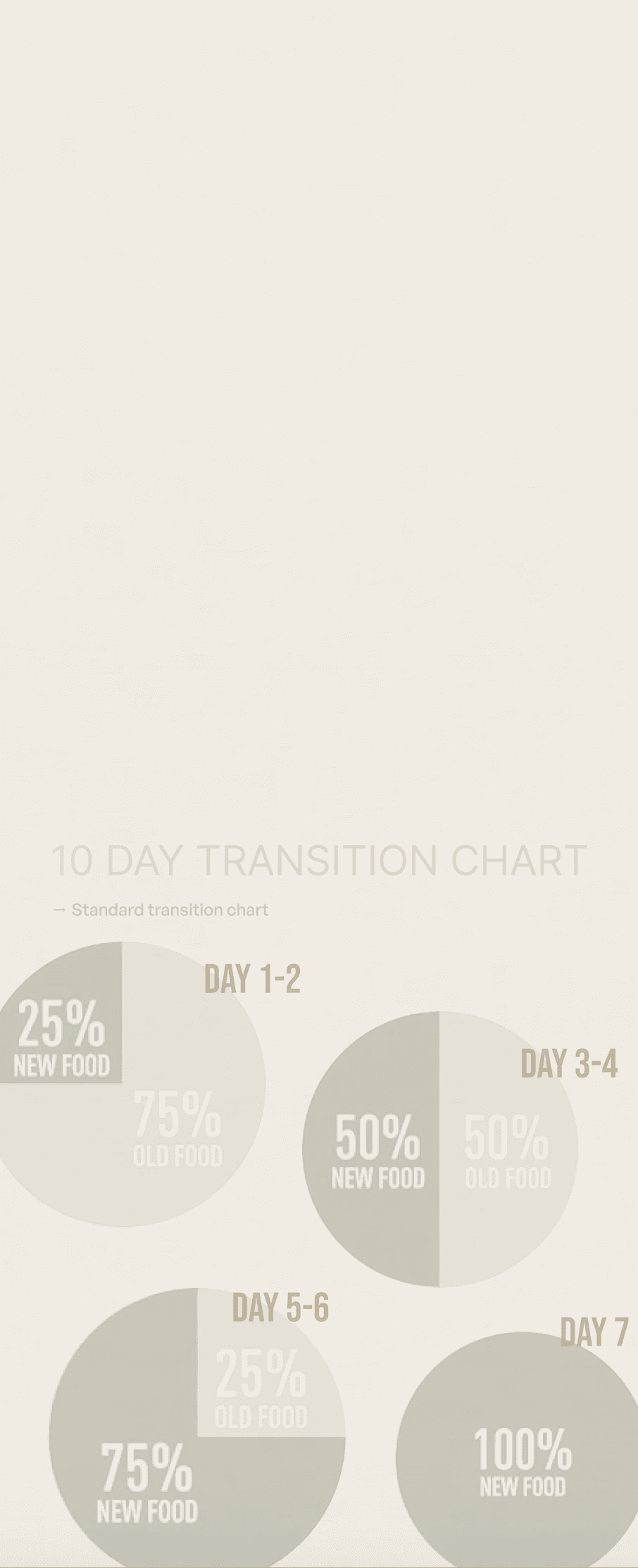
Most transition plans were built to manage the food — not the dog.
They stretch everything out —
partly to help dogs adjust,
but often to compensate for the food itself.
For small dogs, that means:
measuring percentages,
splitting bowls across days,
following a chart instead of the dog.
A process shaped as much by the food as the dog.

Start with the dog. Not the chart.
Start
Start
Offer the food. Start small.
Watch her response.
Observe
Observe
Appetite. Stool. Energy.
Adjust
Adjust
Pause or continue —
based on what she shows you.
Gentle encouragement.
No forcing. No coaxing.
No forcing. No coaxing.

A simpler way
to begiN
Start
Offer the food. Start small.
Watch her response.
Observe
Appetite. Stool. Energy.
Adjust
Pause or continue —
based on what she shows you.
Gentle encouragement.
No forcing. No coaxing.

Start with what she needs.
A starting portion, calculated for her —
without charts, percentages, or overthinking it.
See My Dog’s Portions
Start with what she needs.
A starting portion, calculated for her —
without charts, percentages, or overthinking it.
See My Dog’s Portions
YOUR DOG, SPECIFICALLY
YOUR DOG, SPECIFICALLY
Because every gut is different.
Because every gut is different.
Why does switching food upset my small dog's stomach?
Does my small dog digest food faster than a large dog?
Why do digestive issues show up so quickly in my small dog?
Does my dog always need a slow transition to new food?
What causes loose stools when I switch my dog's food?
What can I do to help my dog tolerate a new food better?
What does healthy digestion look like in my small dog?
Why does meal design matter so much for my dog?


Big Brand? No.
A Smaller One — On Purpose.
Stay close for bold new moves in small-breed care.

Small Breed only,
Big Care Always
Small Breed only,
Big Care Always
Small Breed only,
Big Care Always